How AI Can Classify SMS Replies
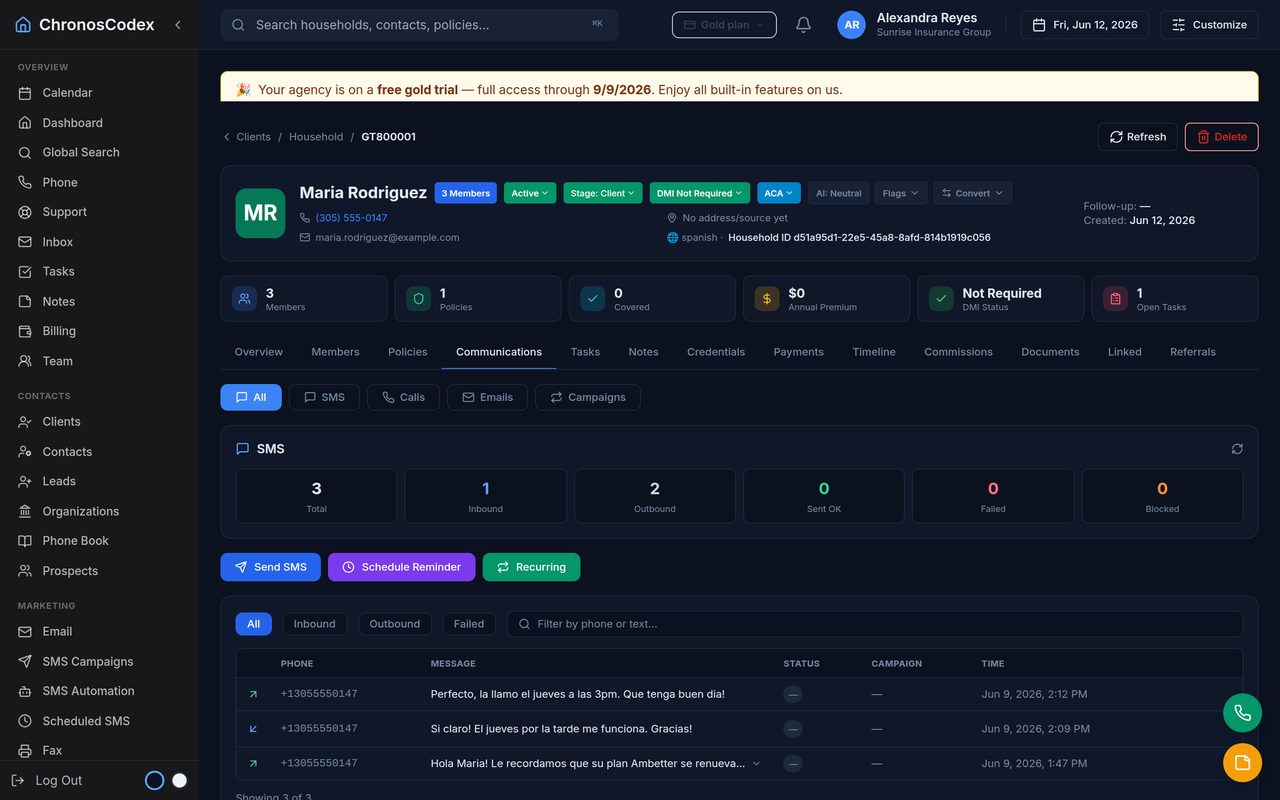
Send 500 renewal texts and you'll get a wall of replies in two languages. Classification is how that wall becomes a worklist.
The reply problem
Outbound SMS works in insurance — clients actually read texts. The cost is the reply flood: "SI", "who is this?", "STOP", "my new address is…", "yes but call after 5", photos of documents. Unsorted, this is an afternoon of reading. Sorted, it's a short worklist.
What a classifier decides
- Intent: interested / question / not interested / opt-out / wrong number.
- Language: reply in the client's language, store the preference.
- Urgency and routing: a billing complaint outranks a thumbs-up; route accordingly.
- Confidence: the most important output — low-confidence messages go to a human review queue, never to an auto-reply.
The compliance floor (non-negotiable)
Opt-out handling must not depend on AI being right. Regex-level STOP detection should fire regardless of classification, mark the record do-not-text, and confirm the opt-out. A polite "no gracias" is different from STOP — a good system distinguishes a soft decline (mark disinterested, stop the campaign) from a legal opt-out (block the channel).
What lands in the CRM
Each classified reply becomes structured data on the household: a disposition, a task if interested, a queued draft if a reply is needed, and a clean audit trail of what the AI decided and who approved what. That's the difference between "we have AI" and AI you can defend to a carrier or regulator.
ChronosCodex brings these workflows into one CRM. SMS/email automation, voice and PBX integration are built in, with availability and usage pricing varying by plan; the AI workflows described on this page are not all available to every workspace today. Explore ChronosCodex or log in if you already have a workspace.
Automation usage still needs clear limits: SMS automation uses SMS segments, voice automation uses billable minutes, and email workflows count against outbound email allowance. Wallet credits, add-ons, or plan upgrades can support heavier usage once provider readiness and consent requirements are met.